What is digital signage?

The basics

digital signage

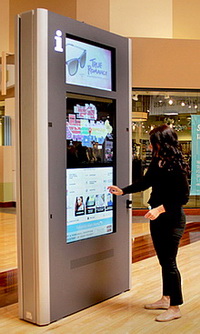
Digital Signage is the term for digital displays used to provide information, advertising, and other relevant information to viewers. It is found in public spaces or areas where a message needs to be delivered dynamically.

Digital signage dynamically delivers information, including live and on-demand video, graphics, animations, text, and other Web content, on a high-quality display to a targeted audience at a targeted time.

With 2/3 of the purchasing decisions made in the store, digital signage can increase sales anywhere between 3 and 300%, depending on the item.

Digital signage is everywhere

  • Restaurants and cafes
  • Shopping malls
  • Airports and train stations
  • Waiting rooms
  • Retail stores
  • Hospitals and medical clinics
  • Corporate lobbies
  • Fast food outlets
  • Gyms and fitness centres
  • Sports stadiums
  • Information centres

Elements

Display screens

Generally these are digital screens ranging in size from about 10" to 110", although the most common sizes are between 43" and 55". Advances in technology have seen display screens become thinner and lighter in weight. Commercial grade display screens should be used for digital signage instead of consumer televisions. Some digital screens have built-in media players.

Media players

Media players can be used to provide the content to the display screens. There are a large variety of professional media players available ranging from commercial PC's to solid-state purpose-built models. Some media players are standalone requiring updates from a USB thumb drive or memory card with others being networked with updates getting delivered via the internet.

Software

There are a large number of digital signage software solutions available in the market. Whilst they all essentially produce a similar end result, they can vary incredibly when it comes to features, easy of use, and price. 'Software as a service' options (SAAS) are most popular as they require no software to download, no server to set up, and are generally based on a monthly subscription fee.

Content

Lastly, the most important element of them all is content. The types of digital signage content can vary from basic static images and text through to video and animations. It's crucial to establish the correct type of content for the audience and dwell time. Although digital signage content is generally either advertising or information, content can be anything that creates the attention required.